Pressure Washing vs. Soft Washing: What’s Safest for North Texas Siding?
Homeowners in McKinney see our wind, clay dust, and humid summers leave their mark on siding, brick, and stone. If you’re weighing pressure washing against soft washing, the safest path for most siding is usually a controlled, low-pressure clean backed by the right detergents and rinse. When you’re ready for a gentle, siding-safe clean, explore our house washing approach and learn how it protects North Texas homes.
What Is Pressure Washing?
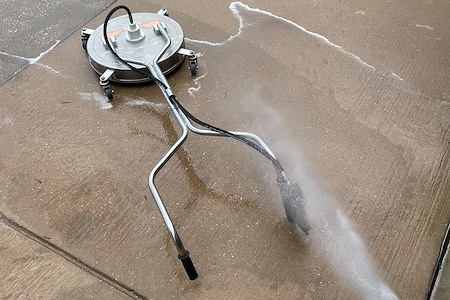
Pressure washing uses higher water pressure to remove heavy buildup from durable surfaces. It’s best for concrete driveways, pavers, and some masonry where grime is bonded to the pores and needs force to release.
On delicate materials like vinyl or fiber cement, that same force can be too much. Water can be driven behind overlaps, and oxidation or paint can be stripped faster than you expect. Never blast vinyl or Hardie plank with high pressure. In the wrong hands, the jet can scar trim, open up joints, and leave permanent lines on softer stone.
There are times when pressure washing belongs in the plan. Think patio slabs, brick walkways, or pool decks around Stonebridge Ranch and Craig Ranch that collect red clay and tire marks. The key is choosing it only where the surface can take it.
What Is Soft Washing?
Soft washing pairs low pressure with targeted detergents to loosen and rinse away organic growth and grime. Imagine a gentle rainfall that carries the dust off, not a firehose that tries to erase it. The pressure stays low, while the chemistry does the work.
This method is ideal for painted wood, stucco, vinyl, and fiber cement siding common in Trinity Falls and Eldorado neighborhoods. It’s also safer for window seals, light fixtures, soffits, and other details that can’t handle a hard blast. On limestone and mixed brick facades popular around McKinney, a soft wash helps protect mortar joints from erosion.
Because soft washing focuses on dwell time and a thorough rinse, it reaches the shaded north sides where algae loves to grow and clears cobwebs, pollen film, and mildew without forcing water where it shouldn’t go.
North Texas Materials and Weather: How They Change the Plan
Our local construction mix matters. Many McKinney homes blend Hardie plank siding with brick or limestone accents. Summer sun bakes residue to the surface, spring storms spread oak pollen, and irrigation can mist minerals onto lower courses of stone. Each of these calls for a measured approach.
On sun-beaten elevations, oxidation can make painted surfaces chalky. High pressure can streak that chalkiness, leaving tiger stripes. In shaded areas near mature trees in Historic Downtown, algae and mildew thrive in humid pockets. Soft washing targets this growth without pitting the surface or chewing up caulk lines.
Limestone and mortar are more porous than they look. A low-pressure rinse protects the face of the stone and the joints while still lifting clay dust and algae that settle after spring storms. That balance is why soft washing is the safer default for mixed-surface North Texas exteriors.
When To Choose Pressure Washing vs. Soft Washing In McKinney
Best Fits for Pressure Washing
- Durable hardscape features like driveways, sidewalks, and brick or paver paths with embedded grime.
- Pool decks and patios where traction needs to be restored by lifting buildup from textured surfaces.
- Prepping certain masonry areas before resealing, when appropriate for the material and joints.
Best Fits for Soft Washing
- Siding of most types: vinyl, fiber cement, painted wood, and stucco around eaves and windows.
- Mixed facades with limestone or cast stone bands where mortar and stone faces need gentle care.
- North-facing or shaded walls near mature trees, where mildew and algae accumulate quickly.
If a wall mixes brick and siding, soft washing is the safer umbrella approach to protect the most delicate element while still cleaning everything around it.
Protecting Siding, Brick, and Stone The Right Way
Different materials, different risks. Fiber cement and vinyl expand and contract with heat, and gaps can open at joints. Driving water into those seams invites moisture where it doesn’t belong. Soft washing keeps pressure low, so water stays on the surface while the rinse floats away the buildup.
Brick and limestone can handle more, but mortar and stone faces don’t like a needle spray. Gentle passes with the correct tip and distance preserve the character of the stone and keep joints intact. If gutters or soffits show chalking, a careful soft wash avoids stripping. Always evaluate oxidation on painted metal and trim before cleaning to prevent uneven results.
Stucco is another local wildcard. Texture holds dust, and hairline cracks can let water migrate. Low pressure paired with a broad, controlled rinse reaches into the texture without forcing water into small fissures. That’s how you protect both curb appeal and the building envelope.
If you want a team that understands local materials and seasons, your trusted pressure washing pros should plan around the most delicate surface first, then apply the safest method across the whole elevation.
Our Safe Process For McKinney Homes
Every home is unique, but the framework is consistent. We start by walking the property, noting material transitions, shade patterns, and any oxidation or fragile trim. Shady sides along tree-lined streets near Adriatica Village get extra attention for organic growth. Sun-baked walls get a gentler touch to protect aging paint.
We protect nearby landscaping and fixtures, then apply a siding-safe blend with low pressure and let it dwell long enough to release the grip of algae, mildew, and dust. A wide, soft rinse carries away residue without streaks. On tough spots where brick meets limestone, we adjust technique to protect the mortar while lifting stains.
If a surface is durable enough to warrant it, targeted pressure washing may be used on adjacent hardscape, like the walk up to your front door. But on the walls themselves, we keep pressure low, especially around window seals, light fixtures, and trim. That’s the difference between a quick wash and a professional clean that respects the home’s envelope.
For most siding and mixed facades in the area, we recommend a gentle, siding-first approach to house washing. It balances curb appeal with long-term protection, which is exactly what families in McKinney want.
Soft Wash House Washing In McKinney: Why It Lasts
Soft washing doesn’t just rinse the surface. By addressing the organic growth that causes staining, results can last longer between services, depending on shade, irrigation overspray, and tree cover. That means less frequent exterior cleanings when conditions allow.
On homes near greenbelts or creeks, shaded walls can show green or black films sooner. The gentle method reaches those pores and crevices where growth starts, so siding looks uniform from trim to foundation. It’s a difference you’ll notice when the sun hits your front elevation at mid-morning.
Clay dust is another McKinney reality. Soft washing lifts the fine particles that stick to textured paint and trim. Paired with a mindful rinse, you get a fresh, even finish without chew marks on caulk or seals.
Common Trouble Spots We Treat Gently
Every elevation has details that deserve extra care. These areas are where low pressure and patience pay off the most:
- Window sills, light fixtures, and outlets that shouldn’t be blasted.
- Limestone caps, keystones, and sills where mortar can erode under a sharp spray.
- Painted fascia and gutters are prone to oxidation streaking if hit too hard.
By choosing the method before the muscle, you protect the look of your home and the components that keep water out. That’s the smart way to clean exteriors in North Texas.
How Often Should McKinney Homes Be Washed?
Frequency varies by tree cover, irrigation overspray, and shade. Homes near mature oaks or with north-facing fronts tend to need attention sooner than wide-open lots. After spring pollen and summer storms, many homeowners schedule a seasonal clean to stay ahead of growth and dust buildup.
HOA neighborhoods often prefer a consistent, low-pressure approach that keeps paint and mortar intact while meeting curb appeal goals year-round. Soft washing fits that plan because it’s thorough, repeatable, and gentle on finishes.
Signs Your Home Needs a Soft Wash Soon
Watch for these early signals so buildup doesn’t get a head start:
- Light green or black haze on the north side that returns after rain.
- Webs and dust rings around soffits and porch lights.
- Pollen film on trim and shaded siding after spring storms.
- Chalky streaks under gutters that look worse after a hard rinse.
Catching these signs early helps avoid deeper staining and keeps your paint looking fresh through long, sunny seasons.
Why Choosing the Right Method Matters
Using the wrong approach can leave surface scars, blow water into joints, or create uneven results you’ll see every time the light changes. The right method protects finishes, preserves mortar, and keeps water where it belongs. It also supports a maintenance rhythm that makes sense for our climate and mix of materials.
When neighbors ask why one home stays cleaner longer, it often comes down to method. Soft washing on the walls, targeted pressure where it’s safe, and a rinse that respects every seam and detail.
Ready for Spotless Siding Without the Risk?
Let Simply Pressure clean your exterior the safe way for North Texas materials and weather. Call 214-263-2710 to schedule soft wash house washing in McKinney, and enjoy a fresh, even finish that lasts.
HAVE A CLEANER SURROUNDING WITH OUR MCKINNEY PRESSURE WASHING SPECIALISTS.CONTACT US TODAY!